Stone of the Month for May 2026: Rose Quartz – Meaning and Effects
May holds a special magic, a time of growth and development—when anything seems possible. The world blossoms and invites us to enjoy it. The days are filled with light and warmth, and it feels as though the entire universe is in harmony. It is a month that inspires us to embrace new possibilities with its beauty and energy.
Rose Quartz supports us during this time of unfolding with its gentle strength. Thanks to the stone, our own needs come to the forefront, and we can fulfill them mindfully yet firmly. But we also keep an open ear and heart for the needs of those around us. With empathy and a willingness to help, we can shape our relationships and enjoy them together.
Mineralogical Profile: Rose Quartz
Formula: SiO2
Category: Oxide, quartz group
Formation: magmatic, from the youngest parts of pegmatites
Color: pink in varying shades
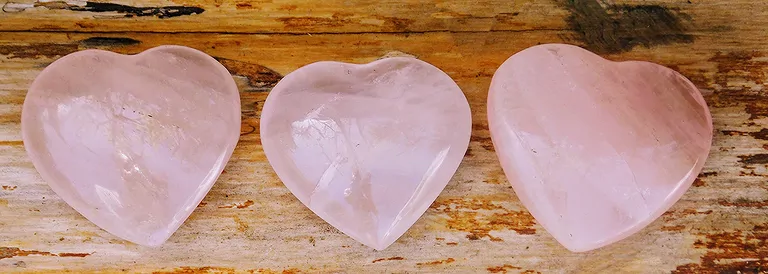
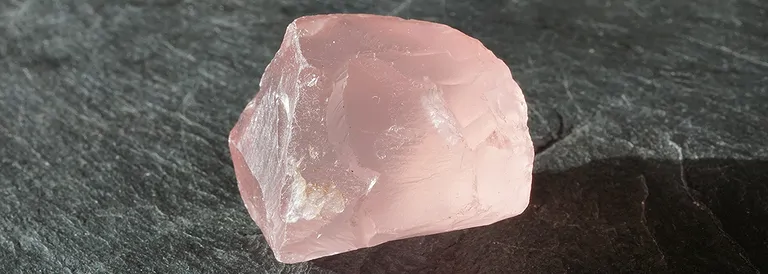
Quartz with a distinct pink hue is called “Rose Quartz,” but the color and properties of Rose Quartz can vary greatly depending on its formation. The color is caused by microscopic inclusions of other minerals. Therefore, there is always a trade-off between the intensity of the color and the stone’s transparency.
The color of Rose Quartz also depends on the light source. Most Rose Quartz looks beautiful in sunlight but absolutely terrible under fluorescent lighting. Some Rose Quartz can fade if exposed to strong sunlight for extended periods.
For mineral shops and other retailers: wide selection of Rose Quartz items
Luster: greasy to vitreous
Cristal system: trigonal
Mohs hardness: 7
Cleavability, Fracture: no cleavability, conchoidal, splintery fracture, very brittle
Localities, main source countries: Known localities for Rose Quartz are found in Brazil, Madagascar, Namibia, and Mozambique, among other places. There, the stone often occurs together with other pegmatite minerals such as Feldspar, mica, or tourmaline.
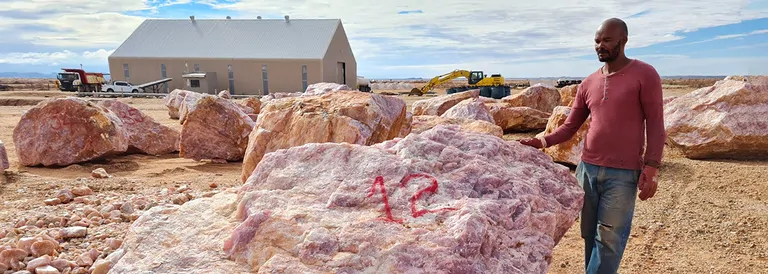
Crystal habit: usually coarse, sometimes in large masses; rarely exhibits a star pattern due to oriented rutile inclusions (so-called star rose quartz)
Rose Quartz jewelry at wholesale prices
Uses: Rose Quartz is one of the most common gemstones and is frequently used in its raw form for interior design and landscaping.
Origin of the name Rose Quartz, other names, and synonyms
The name Rose Quartz derives directly from the characteristic pink to rose-red color of this quartz variety, which is reminiscent of the hue of rose petals.
Mineralogically, Rose Quartz belongs to the large family of quartz (silicon dioxide, SiO2) and specifically refers to the pink-colored variety of this mineral. The mineral has borne this name since around 1800; prior to that, the various quartz varieties were not distinguished individually but were grouped under the term "coarse quartz."
Rose Quartz Items at Wholesale Prices
Other terms are also found in the literature and in commerce. It is often simply referred to as pink quartz. In older mineralogical literature, names such as Quarzum roseum or pink quartz also appear. The term Rosaline is now considered obsolete.
Rose Quartz – the Bohemian Ruby?
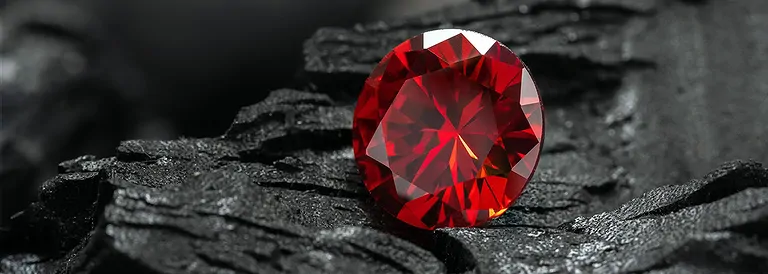
Rose Quartz was occasionally referred to as the “Bohemian Ruby” in the past. This historical trade name formed primarily due to the pinkish to reddish color of some Rose Quartz specimens, which resembled the significantly more valuable gemstone Ruby. The addition of “Bohemian” refers to Bohemia (now part of the Czech Republic), a region where Rose Quartz is found and traded on a small scale.
Mineralogically, however, this designation is incorrect, as Rose Quartz and Ruby are completely different minerals. Rose Quartz is a pink variety of the mineral quartz (silicon dioxide, SiO₂), while Ruby belongs to the corundum mineral group (aluminum oxide, Al₂O₃). The name “Bohemian Ruby” is therefore considered outdated and misleading today and is no longer used in modern mineralogy.
The Pink Madonna and Other Famous Rose Quartz Specimens
One of the world’s most famous Rose Quartz specimens is “La Madona Rosa” (the Pink Madonna) from Brazil. The extraordinary mineral specimen resembles depictions of the Virgin Mary in its form: the smoky-colored quartz forms an abstract figure surrounded by a wreath of sparkling rose quartz crystals that resembles a halo.
Measuring approximately 40 × 20 cm, this piece is one of the most spectacular Rose Quartz finds ever. It was discovered in the 1950s at the Lavra Berilo Branco Mine near Galiléia (Minas Gerais, Brazil). The piece also gained fame through its auction: in 2013, it fetched a price of $622,500 and was long considered the most expensive mineral ever auctioned.
Another famous rose quartz specimen is the so-called “Van Allen Belt,” which is currently on display at the Smithsonian National Museum of Natural History in Washington, D.C. The specimen owes its name to the ring-shaped arrangement of the crystals, which resembles the Van Allen radiation belts surrounding the Earth.
This specimen is particularly remarkable because Rose Quartz usually occurs in massive form without visible crystals—well-formed crystals like those in this piece are therefore extremely rare.

The Pleysteiner Kreuzberg in the Upper Palatinate (Bavaria) is a well-known locality for Rose Quartz in Germany. The approximately 38-meter-high quartz rock near the town of Pleystein (Neustadt an der Waldnaab district) consists almost entirely of quartz, within which pink localities of Rose Quartz are also found.
The Kreuzberg in Pleystein is of mineralogical interest because it is one of the largest freestanding quartz rocks in Europe. Quartz was already being mined there in the Middle Ages, among other things for glass production. Today, the rock is protected and is a well-known natural and geological site in the Upper Palatinate.
Large selection of Rose Quartz items for mineral shops
Historical uses of Rose Quartz
Rose Quartz has been valued as a gemstone and decorative stone since ancient times. Due to its delicate pink color and ease of polishing, the mineral was particularly suited for jewelry, small art objects, and decorative items.
As early as in ancient Egypt, Mesopotamia, and ancient Rome, Rose Quartz was used to craft beads, seal stones, amulets, and small sculptures. Archaeological finds show that the stone was often used as a gemstone for rings, pendants, and pearl necklaces.
Rose Quartz also played a role in art and crafts. During the Renaissance and Baroque periods, larger pieces were used to form vases, bowls, goblets, and intricate carvings, which were particularly prized in princely cabinets of curiosities. Its soft color also made Rose Quartz a popular material for decorative inlays in furniture and artistic objects.
In architecture and interior design, Rose Quartz was occasionally used as a decorative natural stone, for example in decorative panels, inlays, or wall cladding. Polished quartz slabs or objects made of Rose Quartz were used as decorative elements, particularly in prestigious rooms and palaces.
Rose Quartz in Jewelry – Properties and Characteristics
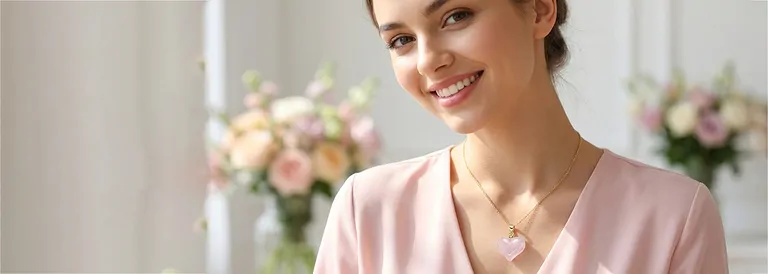
Rose Quartz is one of the most popular gemstones in the jewelry industry and has been prized for centuries for its delicate pink color and harmonious aura. The gemstone has a Mohs hardness of about 7, making it generally well-suited for jewelry making. Nevertheless, there are a few special considerations to keep in mind when working with and using Rose Quartz.
Rose Quartz Jewelry for Jewelers and Retailers
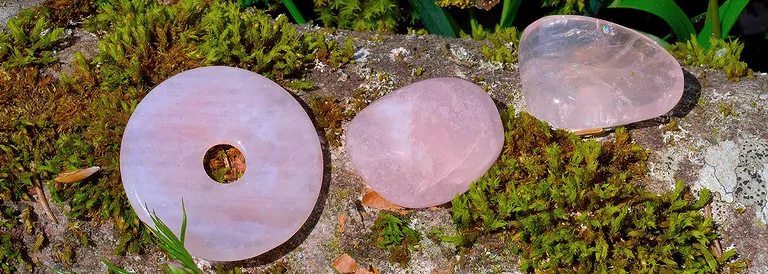
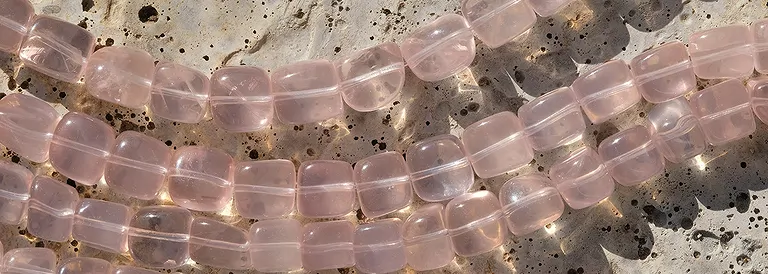
Compared to many transparent gemstones, Rose Quartz is usually translucent to milky and rarely exhibits high transparency. For this reason, the stone is particularly often cut into cabochons, spheres, pearls, or Tumbled Stones for use in jewelry.
These cuts beautifully highlight the stone’s soft color and often slightly cloudy structure. Faceted Rose Quartz does exist, but it usually produces a rather subtle sparkle.
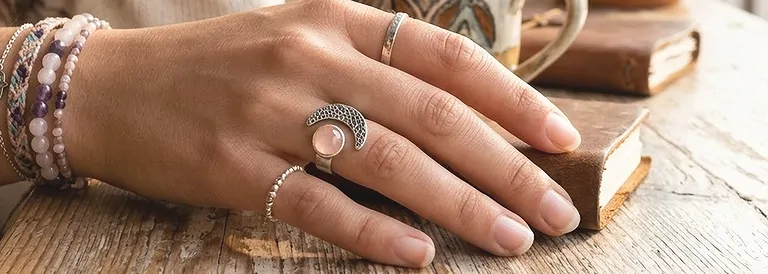
Some Rose Quartz specimens also exhibit special optical effects. In rare cases, asterism—a star-shaped play of light—may occur. This effect is caused by fine inclusions within the stone and is particularly visible in smooth cuts. This gives Rose Quartz additional visual depth and makes it appear especially vibrant in jewelry.
For jewelry designers and goldsmiths: stringed beads of Rose Quartz
Although Rose Quartz is relatively hard, it should still be handled with care in jewelry. The gemstone can fracture in a conchoidal manner under strong pressure or violent impact.
Intense sunlight or high temperatures can also cause the pink color to fade slightly over time. In jewelry making, care is therefore often taken to set the stone in sturdy settings and, if necessary, remove it from the setting during repairs or soldering work.
In addition to its aesthetic appeal, Rose Quartz also has a long cultural tradition. The gemstone is often referred to as the “stone of love” and symbolizes harmony, affection, and emotional connection.
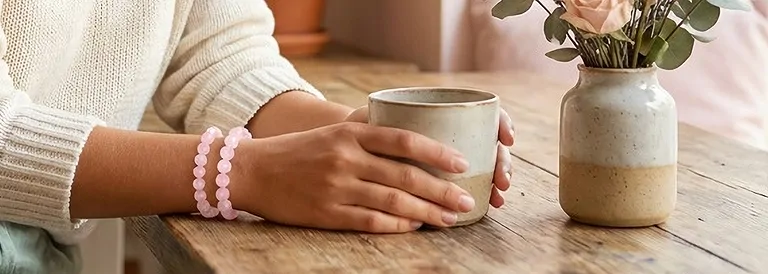
For this reason, Rose Quartz jewelry is often chosen as a gift for special occasions, such as Valentine’s Day, Mother’s Day, or as a personal piece of jewelry with symbolic meaning.
Rose Quartz as a Gemstone for Gemstone Water
Rose Quartz is one of the most popular gemstones for making gemstone water. Its gentle, harmonious aura is traditionally associated with themes such as warmth, love, compassion, and empathy.
Rose Quartz gemstone water is therefore considered to have a particularly delicate and gentle effect and is frequently used when emotional openness and interpersonal closeness are the focus.
Rose Quartz for Gemstone Water - Prices for Stores and Retailers
Typically, Rose Quartz gemstone water is associated with qualities such as sensitivity, sensuality, romance, and directness of emotion. It can help you become more aware of your own needs and feel and express your emotions more clearly.
Because of these qualities, Rose Quartz gemstone water is often used as a companion for special moments as a couple or during times when matters of the heart are the focus.

Thanks to its gentle nature, Rose Quartz is also very popular as a single variety. At the same time, it is one of the classic gemstones in various gemstone water blends.
For example, it is a component of blends such as “Joy of Life,” “Eros and Pleasure,” the “Wellness Base Blend,” and the “Five Elements Blend,” in which it provides a harmonizing and heart-opening element.
It is precisely because of these balancing and emotionally attuned properties that Rose Quartz ranks among the most important and most widely used gemstones for gemstone water.
Discover important information about making gemstone water
Rose Quartz Applications in Crystal Healing and Gemstone Wellness
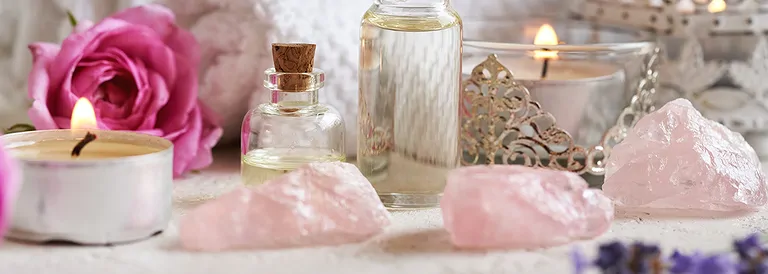
In gemstone wellness, Rose Quartz is one of the most popular stones for gentle and harmonizing applications. Due to its mild and balancing properties, it is frequently used when users first begin exploring massages and wellness treatments with gemstones.
Rose Quartz is an ideal companion, especially for beginners, as it is suitable for many different applications—for example, as a massage stone, massage stylus, Water Stone, or gemstone ball.
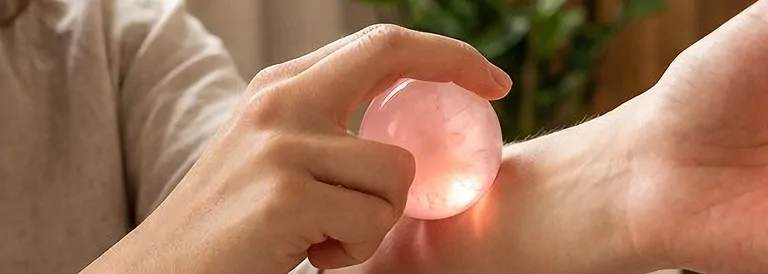
In practical use, Rose Quartz is often used for relaxing or harmonizing massages. Rose Quartz massage stones are particularly valued when it comes to creating a calm and pleasant atmosphere and guiding the body and mind toward relaxation.
Massage stones and more Rose Quartz wellness products for business customers
Rose Quartz is also frequently used in the wellness sector as a Water Stone for gemstone water or as a decorative gemstone sphere, e.g., for meditation.
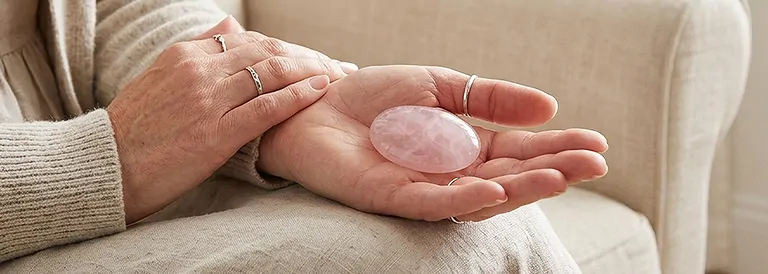
In Monika Grundmann’s Gemstone Balance Concept, Rose Quartz represents the themes of “desire and Joie de vivre.” The stone is associated with a gentle, supportive energy that can help people focus more strongly on their own needs and become more aware of them.
During this phase of personal development, Rose Quartz can help individuals recognize their own desires and feelings more clearly and give them space.
At the same time, it fosters an open and warm attitude toward others. With empathy, helpfulness, and understanding, the formation of a harmonious coexistence can occur in which both one’s own needs and those of others are taken into account.
Rose Quartz at Wholesale Prices: Massage Stones, Water Stones, and More!
Thanks to its gentle aura and versatility, Rose Quartz is one of the classic stones of gemstone wellness and is a valued companion for both beginners and experienced users.
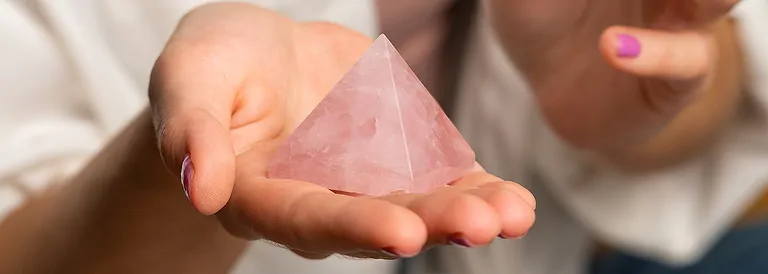
Rose Quartz in Gemstone Astrology and the Medicine Wheel of the Stone Beings
In gemstone astrology, Rose Quartz is particularly associated with the themes of emotion, sensitivity, and harmony. It is considered a stone that can support the emotional qualities of various zodiac signs in different ways.
Rose Quartz particularly resonates with the need for harmony and the sensitive nature of those born under Cancer, helping them to consciously perceive their emotional depth and nurture loving relationships.
Huge Selection of Rose Quartz for Resellers
Rose Quartz is also traditionally used for other zodiac signs: for those born under Aries, who often act impulsively, the stone is said to instill greater consideration and empathy.
Those born under Taurus can use Rose Quartz to strengthen their sensitivity and emotional openness. As a result, in gemstone astrology, the stone is often associated with themes such as compassion, inner balance, and harmonious relationships.
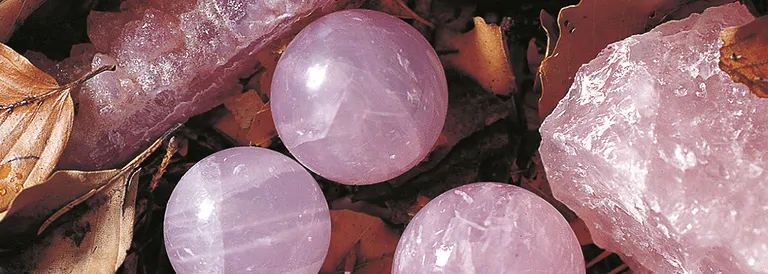
In the Medicine Wheel of the Stone Beings, Rose Quartz carries the affirmation: “Iam blessed, and I bless the being of us all.”
This statement underscores the symbolic significance of Rose Quartz as a stone ofheart energy, love, and connection. The affirmation invites one to treat both oneself and others with appreciation and openness, and to consciously view one’s own life within a positive, blessed context.
Through these spiritual associations, Rose Quartz is valued in many traditions as a gemstone that can promote harmony, compassion, and loving togetherness.
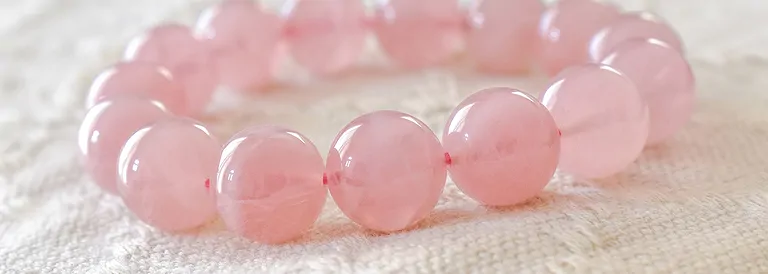
Rose Quartz and the Heart Chakra – Understanding Emotions and Finding Fulfillment
Rose Quartz is traditionally associated with the heart chakra, the energy center for love, compassion, trust, and emotional balance.
This chakra is located in the center of the chest and symbolizes our ability to perceive emotions, form relationships, and approach both ourselves and others with openness.
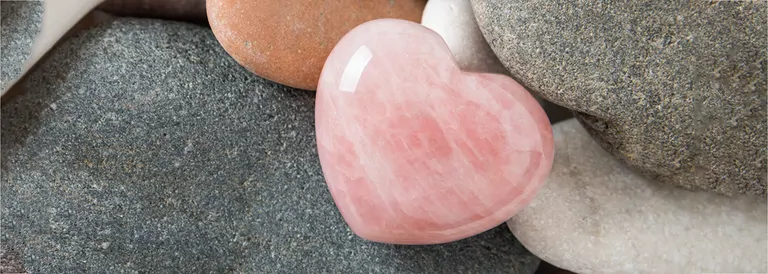
Especially in times when emotions are in turmoil and much in life seems unclear, Rose Quartz can serve as a gentle companion. In gemstone wellness, it is associated with themes such as understanding, emotional harmony, and inner fulfillment.
The stone invites us to pause and ask ourselves: What truly fulfills me? Which desires, relationships, and experiences give my life meaning?
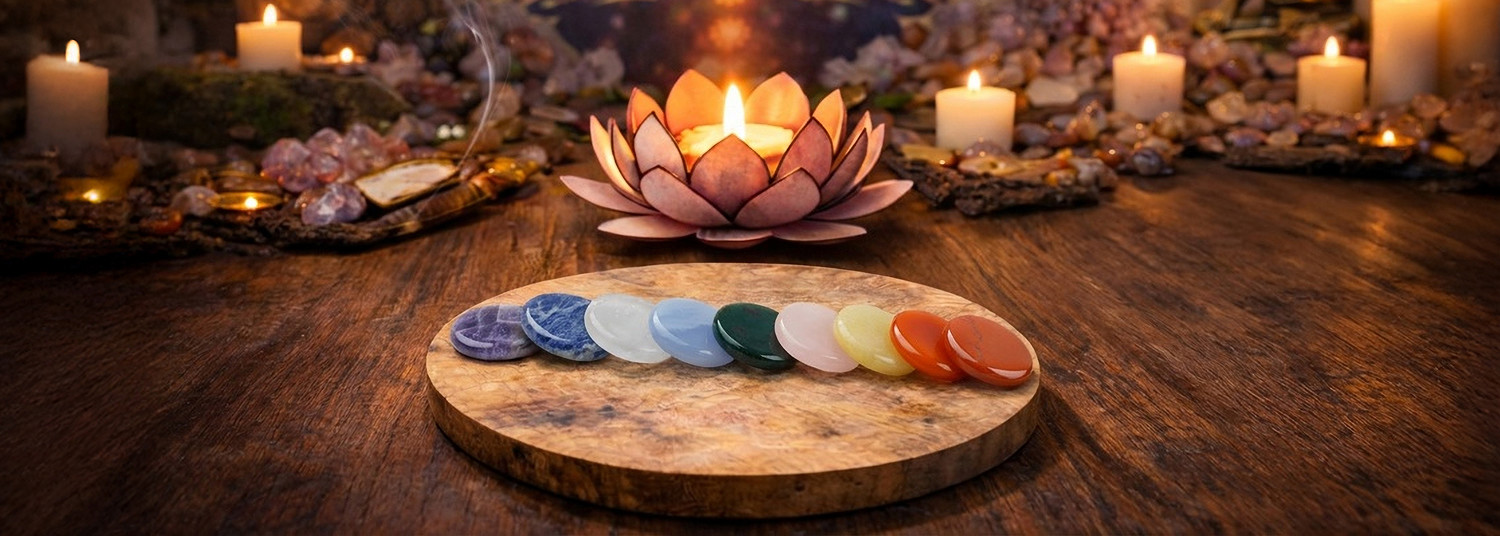
Rose Quartz embodies a loving and understanding attitude—toward both oneself and others. It can help you become more attuned to your own feelings, release old wounds, and rebuild trust in life and in interpersonal relationships.
In practice, Rose Quartz is frequently used in meditation, heart chakra work, or wellness treatments. Whether as a gemstone sphere, a palm stone, a massage stone, or a piece of jewelry, the soft pink stone serves as a reminder that true fulfillment often forms from self-love, empathy, and an open heart.
In this way, Rose Quartz can help harmonize the heart chakra, understand feelings more clearly, and find a path to greater inner contentment and fulfilling relationships.
Discovering Chakras and their Gemstoness
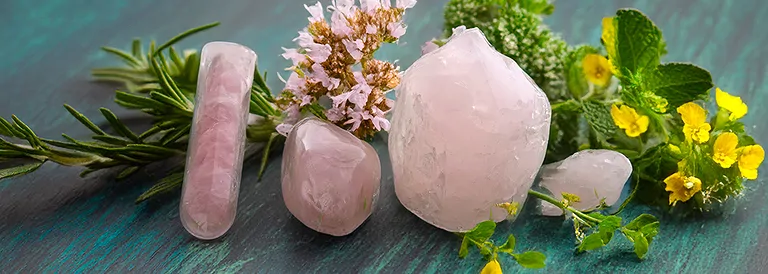
The Formation of Rose Quartz – How the Pink Quartz Is Formed
Rose Quartz is a pink variety of the mineral quartz, chemically known as silicon dioxide (SiO₂). Like other types of quartz, Rose Quartz forms deep within the Earth’s crust when silica-rich magma or hot mineral-rich solutions slowly cool and quartz crystallizes.
Buy Rose Quartz here at wholesale prices
Rose Quartz forms particularly frequently in so-called pegmatites. These are coarse-grained rock veins that form during the late phase of magma cooling. Water, gases, and various chemical elements accumulate in these mineral-rich residual melts.
The formation of ideal conditions for large mineral crystals to grow occurs. The silica-rich residual melt penetrates cracks and cavities in the surrounding rock and crystallizes there over long periods of time.
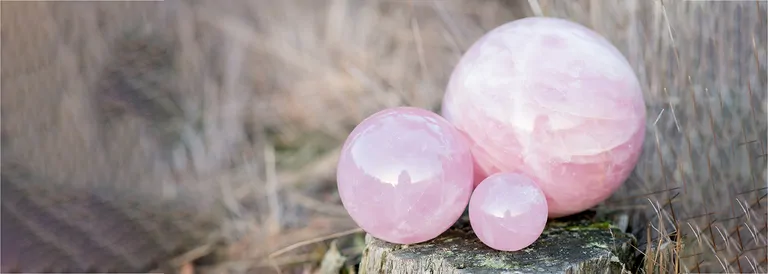
In addition to pegmatites, Rose Quartz can also form from hydrothermal solutions. In this process, very hot, mineral-rich waters circulate through fissures and cracks in the rock. When temperature and pressure change, the dissolved silica precipitates and forms quartz veins or massive quartz deposits.
Unlike Rock Crystal or amethyst, which often develop well-formed crystal tips, Rose Quartz usually occurs in massive form. These compact localities are later crafted into gemstones, beads, cabochons, or decorative gemstone objects.
Why is Rose Quartz pink?
The characteristic pink color of Rose Quartz distinguishes it from other quartz varieties such as Rock Crystal or Amethyst. For a long time, it was assumed that trace elements such as titanium, iron, or manganese were responsible for the coloration. Today, however, mineralogy generally assumes that the color is caused in most cases by microscopically fine inclusions of fibrous minerals.
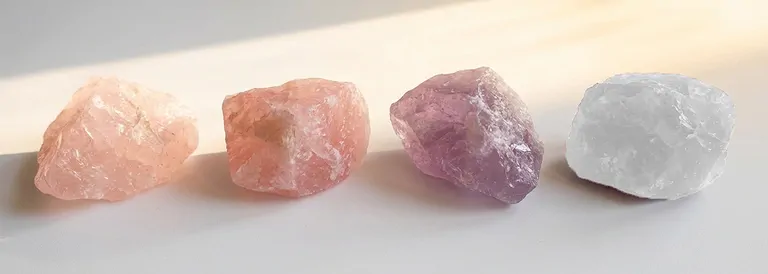
These tiny fibers—often composed of minerals from the Dumortierite group—are so finely distributed within the quartz that they are invisible to the naked eye. However, they influence the way light is scattered within the stone. As a result, the quartz appears in a delicate to deep shade of pink. Depending on the quantity and distribution of these inclusions, the color can vary greatly—from pale pink to salmon to intense pink.
Another characteristic of Rose Quartz is also related to these fine inclusions: The stone is usually not completely transparent, but rather translucent or milky. In rare cases, the fibrous structures can even create an optical effect known as asterism. In this phenomenon, a star-shaped glow appears on the surface of a cut stone when it is illuminated at the right angle.
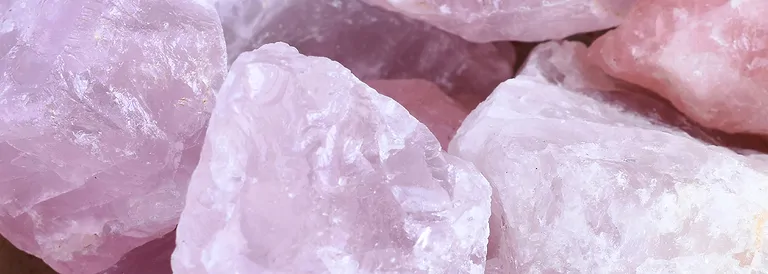
Rose Quartz – Varieties and Characteristics
Rose Quartz is one of the best-known and most popular varieties of the mineral quartz (SiO₂). Its characteristic pink to rose-red color makes it one of the most classic gemstones.
Unlike mineral groups such as garnet or tourmaline, which have numerous different varieties with significantly different chemical compositions, the situation with Rose Quartz is much simpler: Rose Quartz is itself a color variety of quartz. Within this variety, there are only a few mineralogically relevant subtypes.
Massive Rose Quartz – the typical form
The vast majority of Rose Quartz occurs in massive form. This means that it does not form well-developed crystals, but rather occurs as compact aggregates or coarse masses in pegmatites. This so-called classic Rose Quartz is usually milky to slightly translucent and exhibits a uniform pink color.
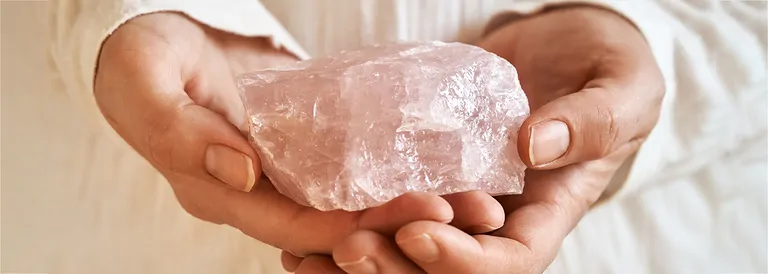
The cause of the color lies in microscopically fine, fibrous inclusions of a boron-bearing silicate that shares structural similarities with Dumortierite. These tiny fibers are embedded in the quartz in large numbers and scatter light, creating the typical delicate pink color.
Solid Rose Quartz accounts for over 99% of all known localities and is therefore the form most commonly found in stores, as Tumbled Stones, or as raw material for jewelry and decorative objects.
Rough Rose Quartz stones at wholesale prices
Crystalline “Pink Quartz” – the rare crystal
Much rarer is another variety, often referred to as Pink Quartz. Unlike classic Rose Quartz, this material forms genuine, well-formed quartz crystals, some of which can even be transparent.
The pink color here does not form through inclusions, but through so-called color centers associated with traces of aluminum and phosphorus in the crystal lattice and activated by natural radiation. However, these color centers are relatively unstable—which is why Pink Quartz can fade over time when exposed to light for extended periods.
From a mineralogical perspective, this crystalline type differs significantly from massive Rose Quartz and is therefore sometimes considered a distinct variety of quartz.
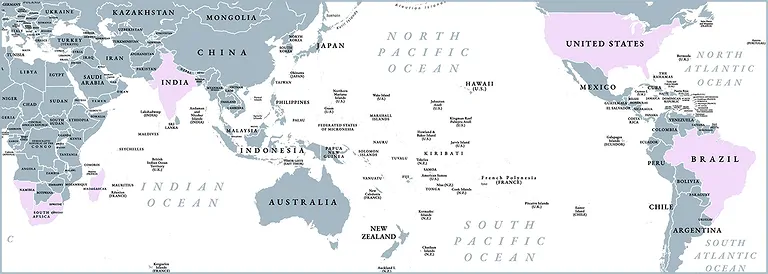
Major Rose Quartz localities worldwide
Rose Quartz occurs worldwide and is usually formed in granitic pegmatites, where large quartz aggregates can form. Some localities have become particularly well-known because they yield especially color-intensive material, large rough stones, or rare varieties. The most important classic and modern deposit regions are located in Brazil, Madagascar, the USA, India, as well as in parts of Africa and Europe.
Brazil
Brazil is now one of the world’s leading producers of Rose Quartz. Of particular significance are the pegmatite fields in the state of Minas Gerais, such as those near Governador Valadares and Galiléia, as well as deposits in Bahia.
Brazilian Rose Quartz usually occurs in massive form and exhibits a relatively uniform pink color. Large rough stones are frequently found, which are well-suited for jewelry, sculptures, or decorative objects. Occasionally, rare crystallized pink quartz (“Pink Quartz”) with well-formed crystals is also found in Brazilian pegmatites.
Madagascar
Since the 1990s, Madagascar has gained significant importance and is now one of the most important sources of high-quality Rose Quartz. Many localities are located in the pegmatites of the central highlands, such as in the region around Antsirabe.
Rose Quartz from Madagascar is often more intensely colored than material from other regions and can sometimes exhibit greater transparency. Another characteristic feature is the occurrence of star Rose Quartz, in which oriented inclusions create a six-rayed star pattern.
USA
A classic historical locality is located in the Black Hills of South Dakota, particularly in Custer County. Rose Quartz was mined there as early as the 19th century. One of the most famous deposits is the Scott Rose Quartz Mine.
Rose Quartz from this region often displays a vivid pink color and historically played an important role in jewelry and decorative stone production in North America. Today, mining there is significantly less active, but the site remains significant for collectors and mineralogists.
India
In India, Rose Quartz occurs primarily in the states of Rajasthan and Karnataka. The localities are often associated with older metamorphic rocks and pegmatites.
Material from India is often somewhat milky and frequently exhibits warmer, slightly brownish shades of pink. Smaller rough pieces are usually found.
Namibia and South Africa
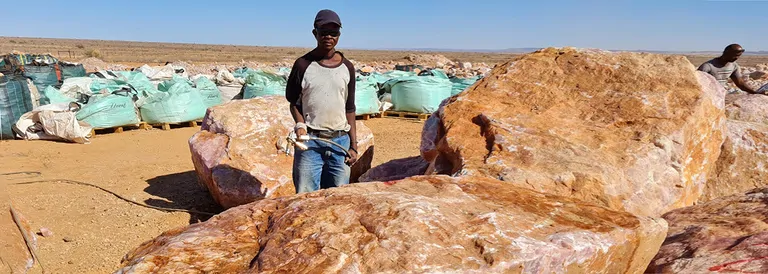
Rose Quartz also occurs in pegmatitic rocks in southern Africa, for example in the Erongo region of Namibia and in parts of the Northern Cape Province in South Africa. These localities mostly yield collector’s material and frequently occur alongside other pegmatite minerals. However, affordable rough stones for further processing come primarily from South Africa, where larger quantities are mined for the international mineral and gemstone trade.
Wide selection of Rose Quartz items for gemstone stores
Europe
There are various smaller localities in Europe. These localities are mostly small and are of more collector’s interest, as they yield only limited quantities.
Rose Quartz is also found in Germany, though only in small localities that are primarily of interest to collectors. There are no economically significant deposits here. As is the case worldwide, Rose Quartz usually occurs in granitic pegmatites or quartz veins.
Well-known regions where it is found include the Black Forest (including near Pforzheim), the Thuringian Forest, and the Ore Mountains. There, one usually finds massive Rose Quartz with a rather delicate pink color.
In Austria, Rose Quartz occurs in the Central Alps, for example in Tyrol and Salzburg. The finds consist mostly of massive, pale pink quartz in pegmatitic veins.
In Switzerland, Rose Quartz is primarily found in Alpine regions, such as the Gotthard area or the Valais. There, it occasionally occurs in Alpine fissures, mostly as massive quartz with a faint pink hue.
There are also smaller localities in France, for example in the Massif Central and the Alps. As in other European regions, these are mostly small localities of little economic significance.
Confusion with Rose Quartz
Rose Quartz is usually easily recognizable by its pink color. Nevertheless, it can be confused with some other minerals or rocks that also exhibit pink hues.
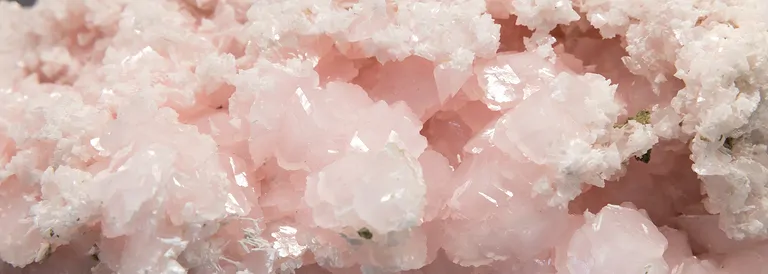
Rose Quartz and pink calcite (Mangano Calcite) differ primarily in their hardness: Rose Quartz (Mohs 7) is significantly harder and scratches Glass, while calcite (Mohs 3) is soft and scratches easily. Visually, Rose Quartz appears glassy and uniformly pink, while calcite tends to be matte to waxy and often cloudy. Additionally, calcite has typical cleavage planes and reacts with acid, whereas Rose Quartz does not.
Pink chalcedony can resemble Rose Quartz. Chalcedony is also a variety of quartz, but it has a microcrystalline structure and often appears more uniform and has a slightly waxy luster.
Pink Morganite, a variety of the mineral beryl, can be confused with Rose Quartz, especially in its transparent form. However, Morganite forms clearly defined crystals and often exhibits greater transparency.
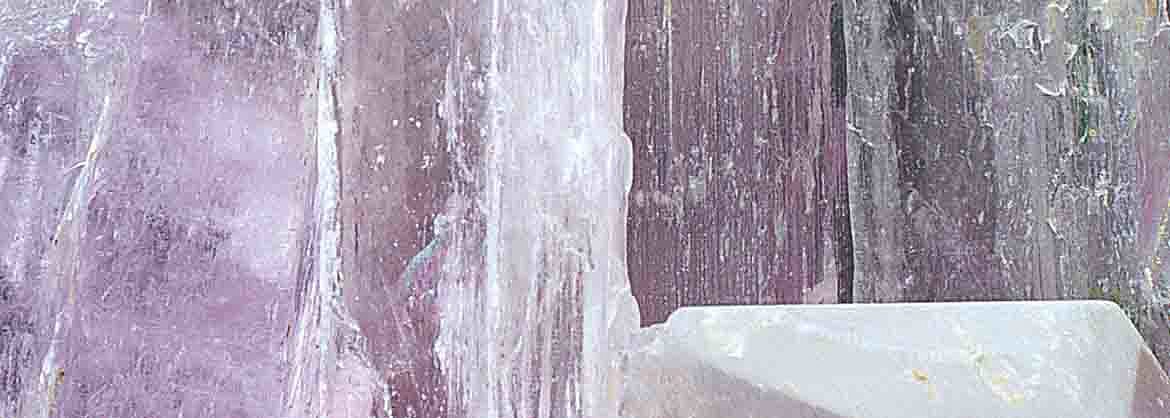
Kunzite, a pink variety of the mineral spodumene, can be confused with Rose Quartz. However, kunzite is usually significantly more transparent and forms elongated prismatic crystals. It also often exhibits strong pleochroism, meaning the color changes depending on the viewing angle. Another characteristic is its perfect cleavability, which is not present in quartz.