Copper - Significance and Effects
Copper is one of the oldest metals used by humans and continues to fascinate today with its warm, reddish color and versatile properties. For thousands of years, it has been used for tools, jewelry, and art objects, uniquely combining aesthetics, functionality, and history. Whether in mineralogy, jewelry making, or traditional applications—Copper holds a special place and captivates with its natural charm and versatility.
Mineralogical Profile of Copper
Formula: Cu
Category: natural elements, native metal
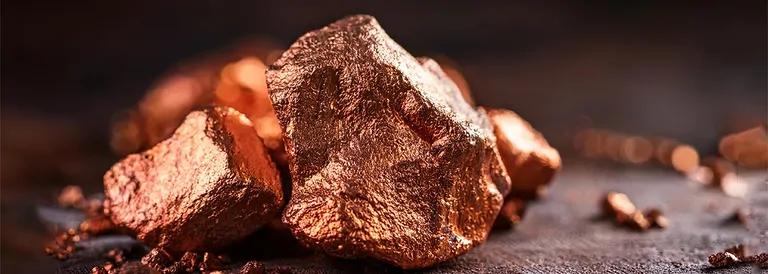
Formation: secondary through precipitation from copper-bearing solutions in copper ore deposits, more rarely also in sediments and basic magmatic rocks
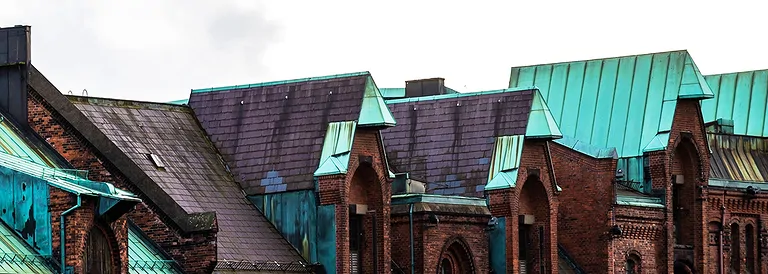
Color: copper red to brown, later turning green due to oxidation (verdigris)
Luster: metallic to dull
Copper items at wholesale prices
Cristal system: cubic
Mohs hardness: 2.5 to 3
Cleavability: no cleavability, malleable and cutable
Localities, main source countries: USA (Arizona, Michigan), Canada, Namibia, Russia
Crystal habit: sheet-, wire-, tooth-, or moss-like aggregates, but usually irregularly shaped (nuggets)
Uses: Copper is a metal used industrially and is known in naturopathy (homeopathy, spagyrics) as an important remedy.
Crystal healing uses Copper as a natural, native metal (!) to release blocked emotions, promote sensuality, and stimulate imagination and dreaming.
Astrology associates Copper with the planet Venus; in the Native American medicine wheel, it is the totem of the Snake Moon (Scorpio).
Uses of Copper
Copper is one of the oldest metals used by humans and, due to its ease of processing, has been in use for around 10,000 years. This property made it an important material in early cultures and even gave entire eras their names—first the Copper Age, followed by the Bronze Age, in which copper was alloyed with tin.
A well-known example of its early use is the famous “Ötzi” (ca. 3300 BCE), who carried an axe with a copper blade.
Copper also played a significant role in later advanced civilizations: The Roman Empire, for instance, was the largest pre-industrial producer of copper, reaching an estimated annual production of about 15,000 tons, which underscores the enormous economic and technological importance of this metal even in ancient times.
Today’s applications of Copper include:
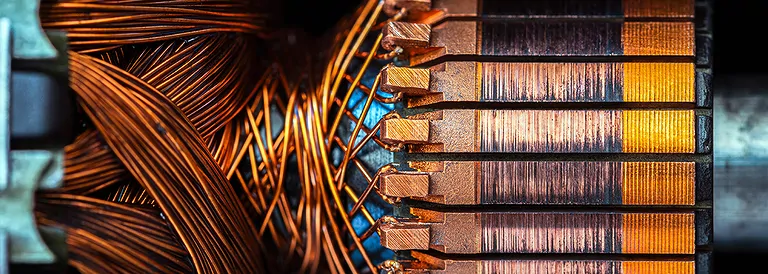
⦁ Pipes, wires, cables, circuit boards
⦁ Pipes and roof cladding (“verdigris”)
⦁ Coins
⦁ Cookware
⦁ Art (copper engravings, art objects)
⦁ Snail fences
⦁ Medicine (antimicrobial, door handles in hospitals)
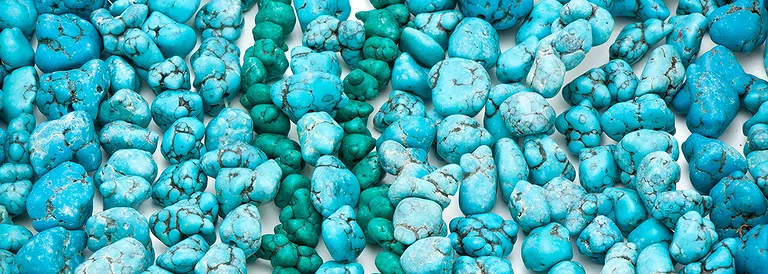
"Cu plus x" - well-known Copper minerals
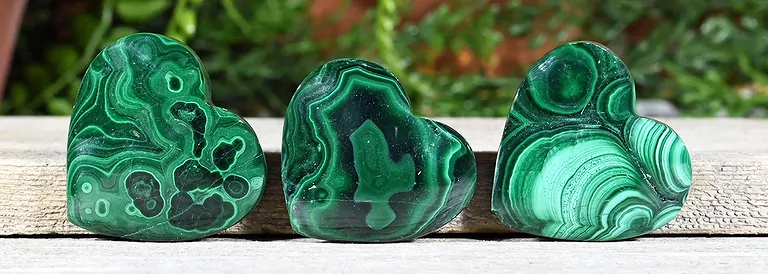
Many popular minerals such as azurite, Azurite Malachite, Malachite, Chrysocolla, or Turquoise display characteristic blue and green hues, which are due to their copper content.
Copper ions interact with light within the crystal lattice in such a way that certain wavelengths are absorbed and others are reflected—this is what contributes to the formation of the typical colors.
Simply put: Copper produces blue and green hues, though the exact color depends on which other elements Copper is bonded to and how the crystal structure is arranged.
Thus, azurite appears deep blue, while Malachite is an intense green. These vibrant colors have always made copper minerals particularly sought-after—both as gemstones and for decorative purposes.